
Flat Roof Infrared Thermography
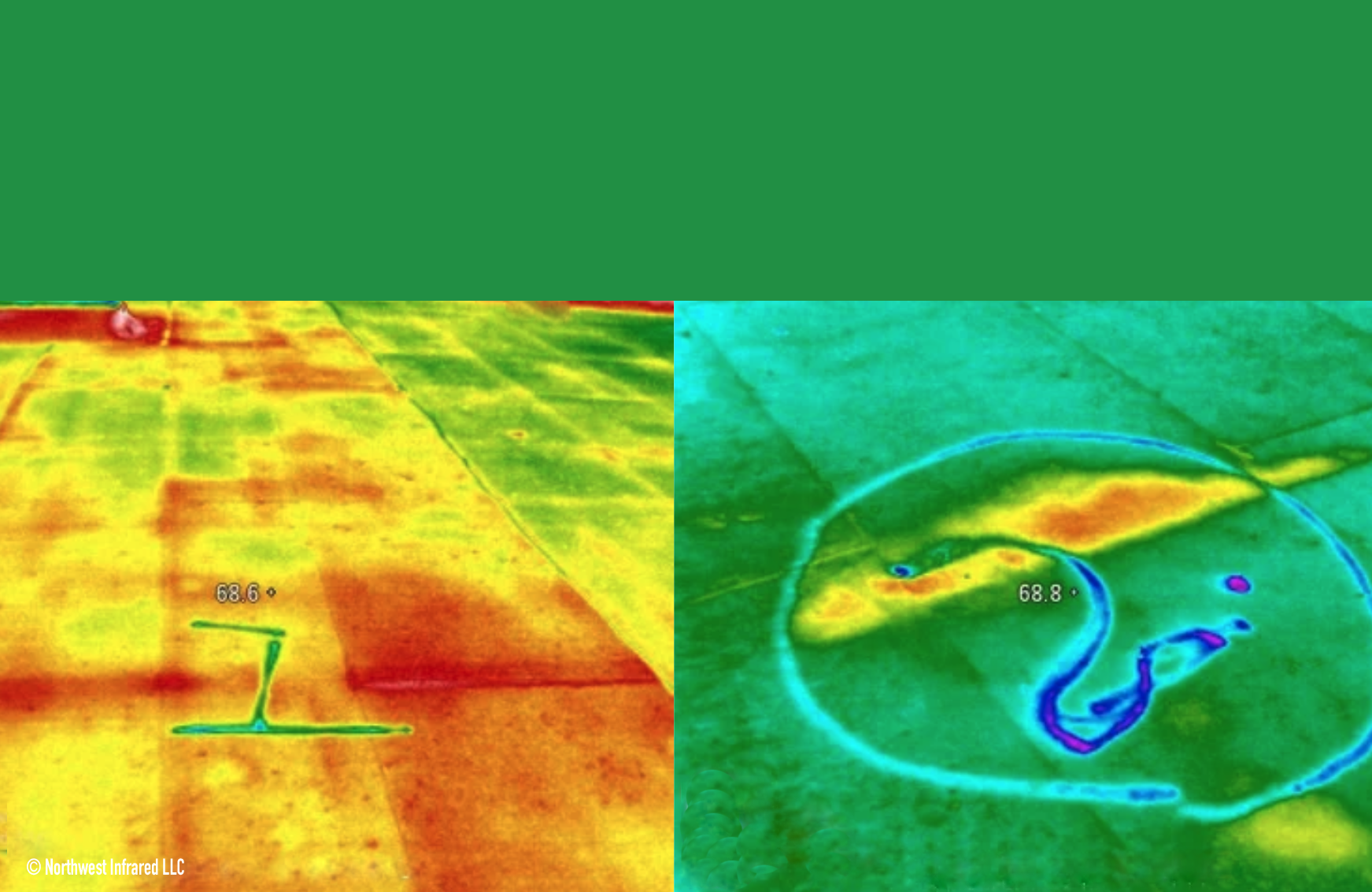
Flat Roof Moisture Detection (Infrared Thermography) uses infrared imaging to identify trapped moisture within roofing systems. By scanning the roof surface, we can pinpoint problem areas and clearly mark wet sections, allowing for precise and targeted repairs.
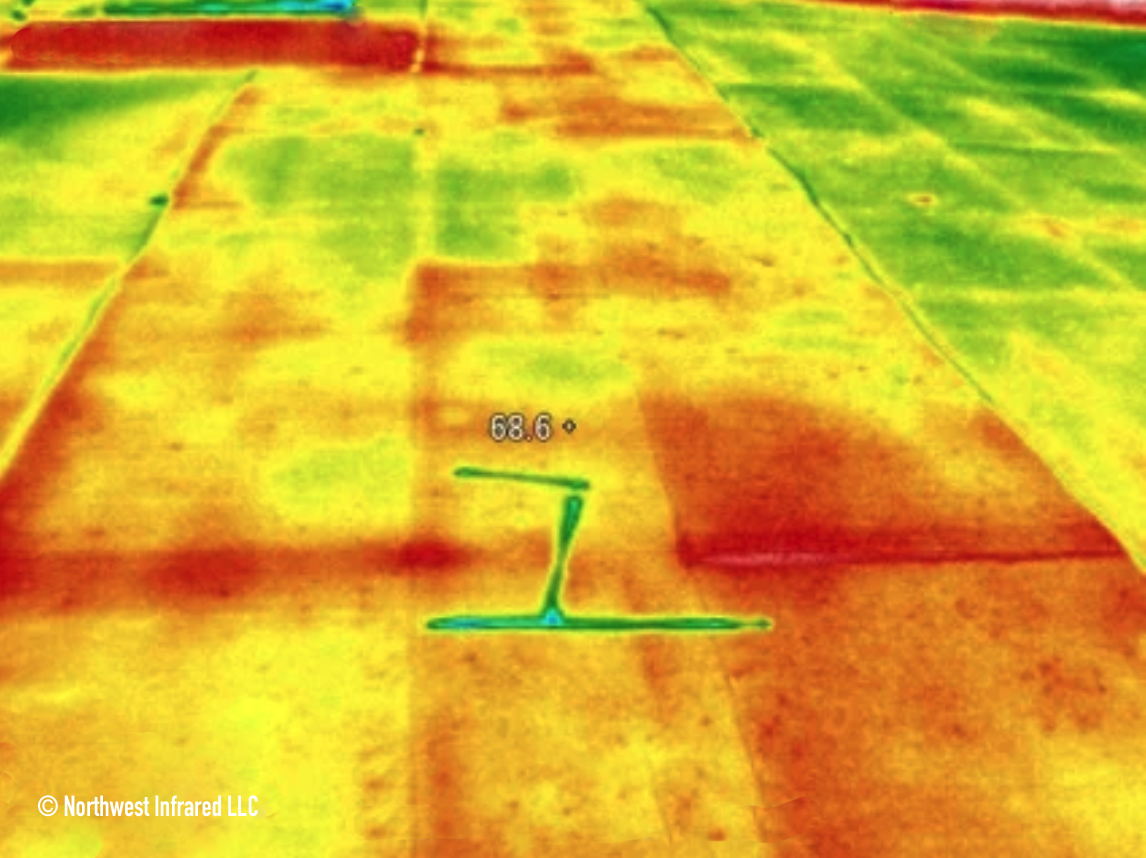
This approach helps avoid unnecessary full roof replacement, saving time, reducing disruption, and lowering costs. Marked areas can be easily identified by roofing contractors after the inspection, ensuring efficient repair work.
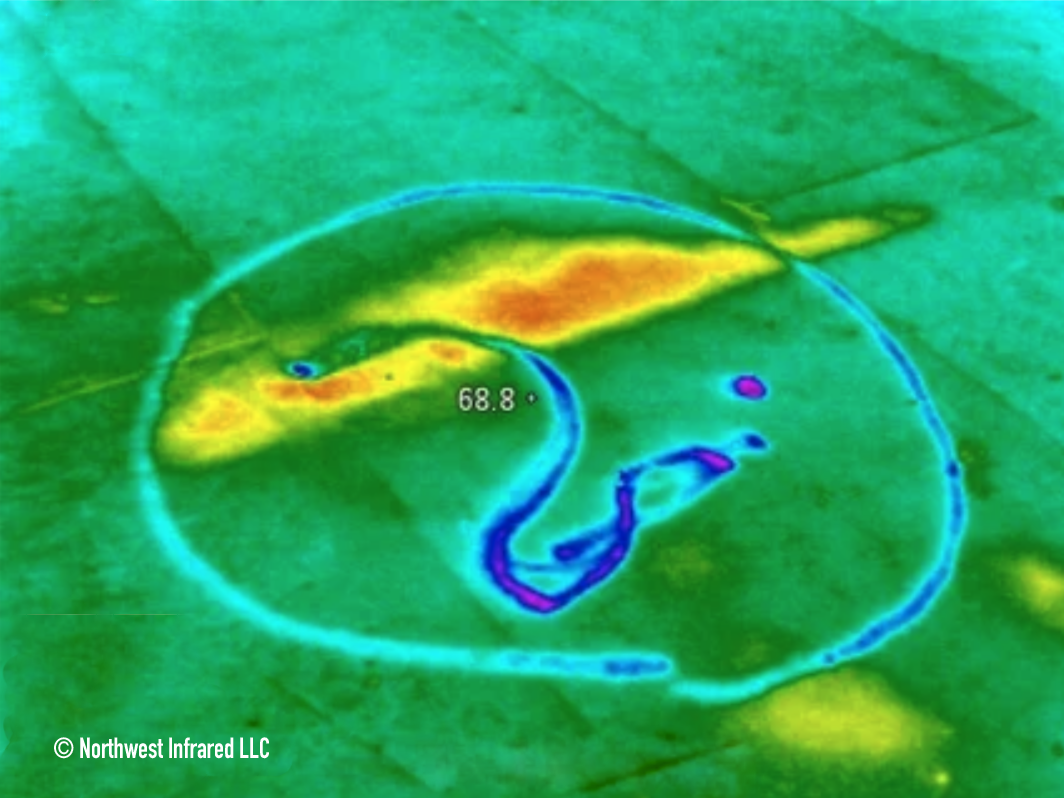
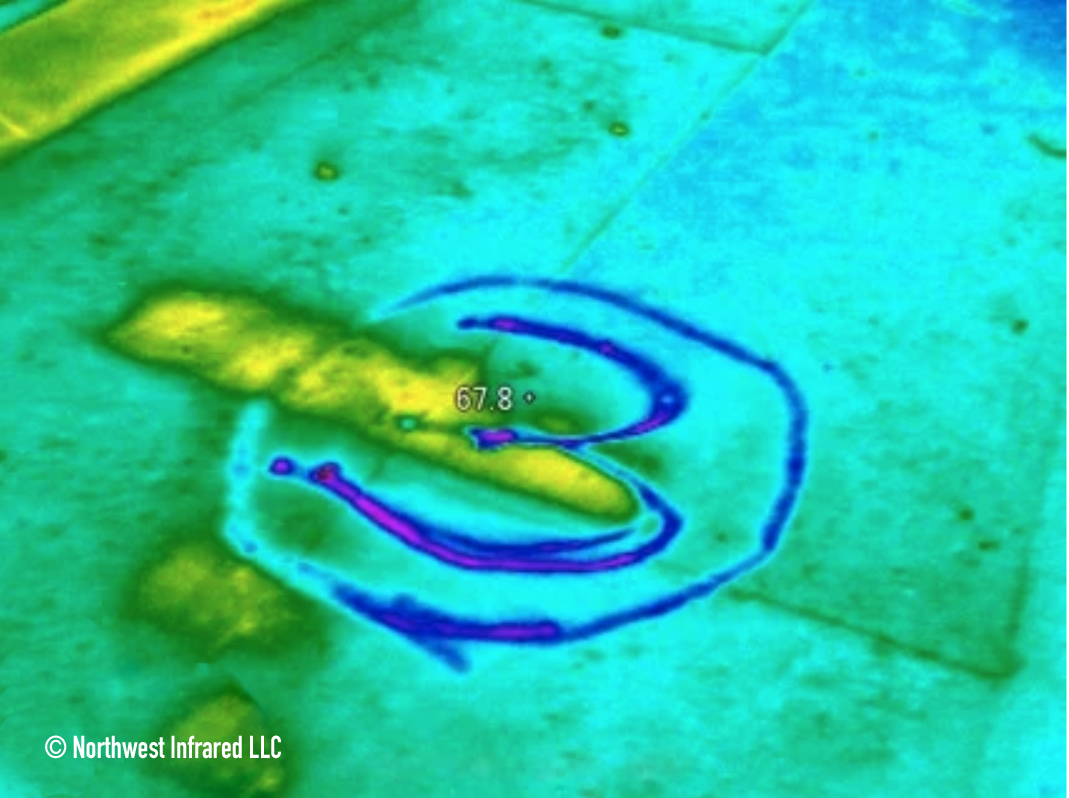
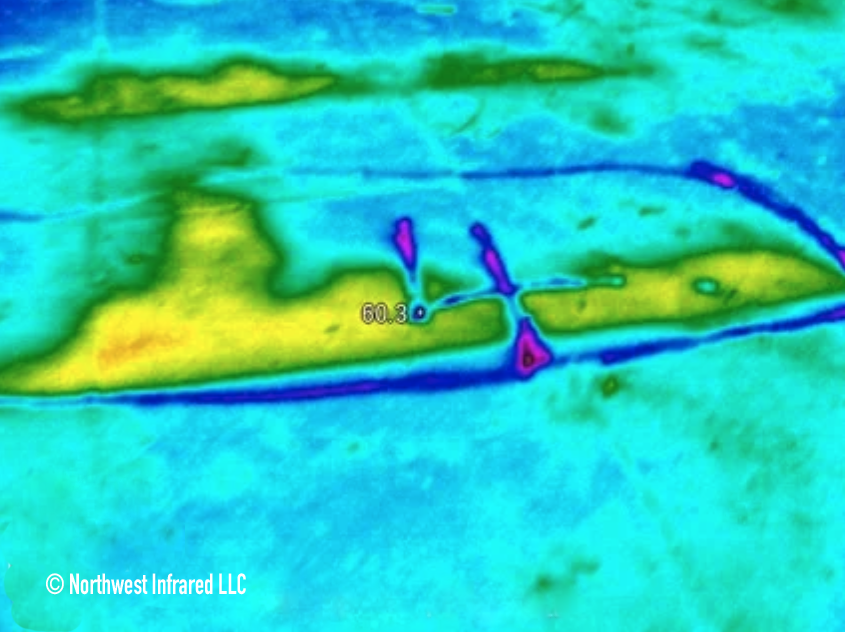
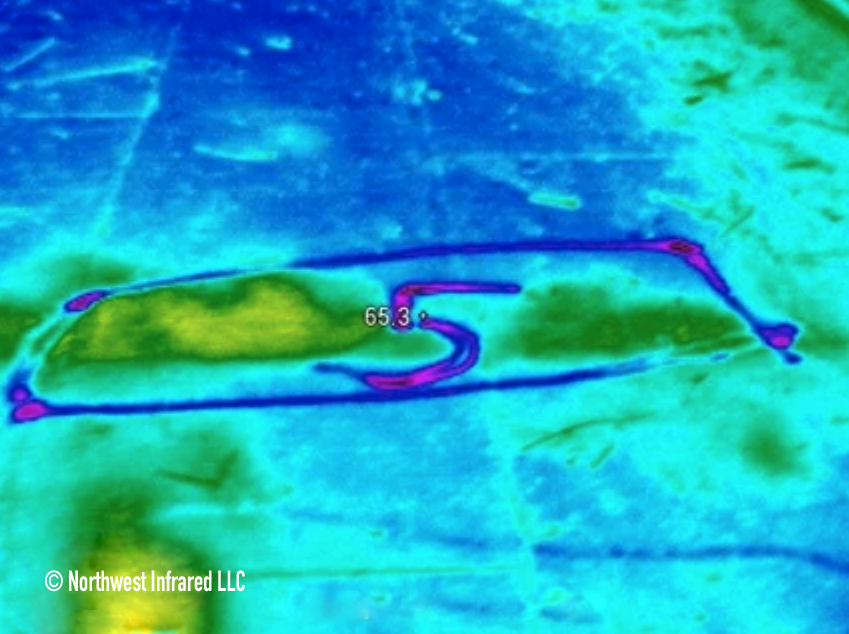
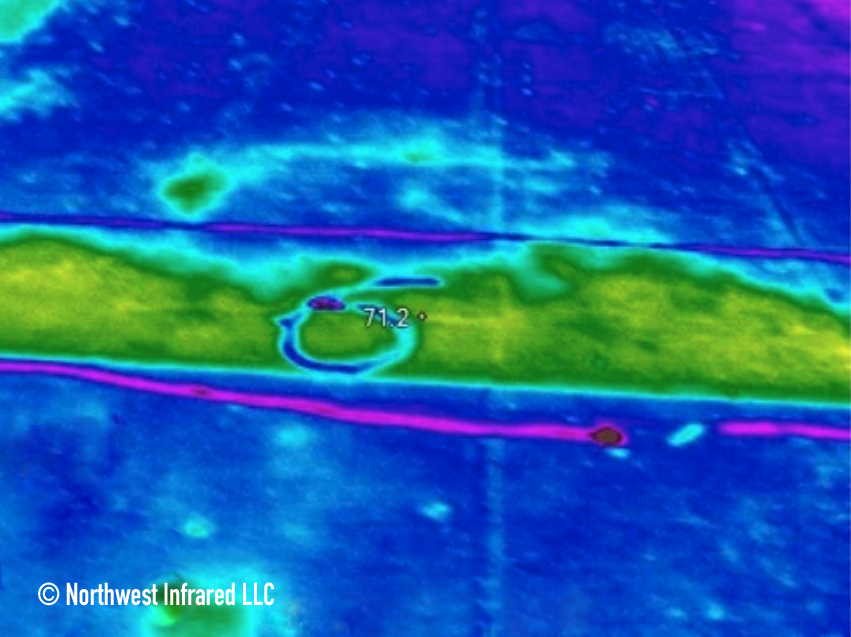
Infrared surveys are typically performed after sunset. During the day, the sun heats the roof system; at night, the roof releases that stored heat—a process known as radiational cooling. Areas containing moisture retain heat longer than dry areas, making them visible through thermal imaging.
If you suspect moisture intrusion or want to better understand the condition of your roof, we’re here to help. Contact Northwest Infrared today to schedule an inspection and get clear, actionable answers
Flat roof moisture surveys using infrared thermography provide a fast, accurate, and non-invasive way to identify hidden moisture and isolate problem areas. By focusing repairs only where they are needed, this approach helps extend the life of your roof while avoiding unnecessary costs and disruption.